


The Ultimate Beginner's Guide to File ITR Online This Year
The Ultimate Beginner's Guide to File ITR Online This Year
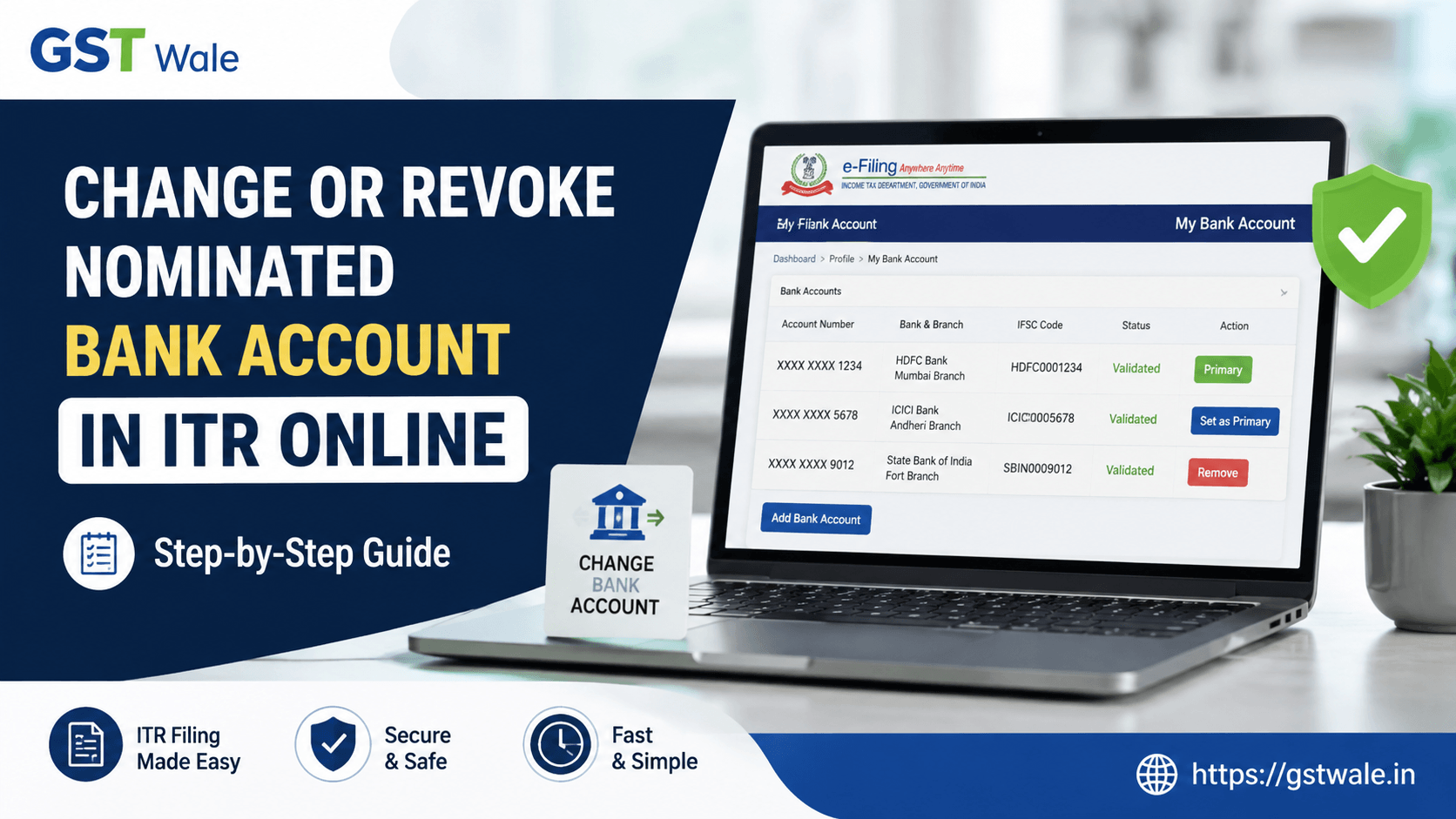
Filing your income tax return is no longer a complicated task reserved for finance professionals. Today, anyone can file itr online with the right guidance and a few important documents. Whether you're a salaried employee, freelancer, business owner, or first-time taxpayer, understanding the online filing process can help you stay compliant, avoid penalties, and even claim eligible refunds.
If you're looking for professional assistance, GST Wale offers expert ITR Filing services to make the process simple, accurate, and stress-free. In this guide, we'll explain everything you need to know before you file itr online this year.
Why Should You File ITR Online Every Year?
Many people believe they only need to submit an income tax return if they owe taxes. However, there are several reasons why you should file itr online every financial year, even if your tax liability is low or nil.
Some key benefits include: Claim tax refunds if excess TDS has been deducted. Maintain proof of income for visa applications. Improve eligibility for loans and credit cards. Stay compliant with Income Tax Department regulations. Carry forward eligible capital or business losses. Avoid notices, penalties, and interest. For example, if your employer deducted more TDS than required, filing an e return allows you to claim the refund directly into your bank account.
Who Should File ITR Online?
You should file itr online if you fall under any of these categories: Salaried employees with taxable income. Self-employed professionals. Business owners. Freelancers. Individuals earning rental income. Senior citizens with taxable income. Taxpayers wanting to claim refunds. Individuals meeting mandatory filing conditions under the Income Tax Act. Even if your income is below the taxable limit, filing your return taxes on time creates a strong financial record.
Documents Required to File ITR Online
Before you file itr online, keep these documents ready: PAN Card Aadhaar Card Form 16 (for salaried individuals) Bank account details Interest certificates from banks Investment proofs Home loan statement (if applicable) Capital gains statements Form 26AS Annual Information Statement (AIS) Tax Information Summary (TIS) Having these documents ready helps you fill itr online accurately and reduces the chances of mistakes.
How to File ITR Online: Step-by-Step Guide
Step 1: Visit the Income Tax e-Filing Portal
Go to the official Income Tax Department website and log in using your PAN or Aadhaar-linked credentials.
Step 2: Select the Correct Assessment Year
Choose the assessment year corresponding to the financial year for which you want to file itr online.
Step 3: Choose the Correct Income Tax Return ITR Form
Selecting the correct income tax return itr form is extremely important. Common forms include: ITR 1 – For salaried individuals with simple income sources. ITR-2 – For capital gains and multiple income sources. ITR-3 – For business or professional income. ITR-4 – For presumptive taxation. If you're a salaried employee with one house property and income within the prescribed conditions, itr 1 is often the appropriate choice.
Step 4: Verify Personal Details
Check your: Name PAN Aadhaar Address Email ID Mobile Number Bank Account Any mismatch may delay processing.
Step 5: Enter Income Details
Include income from: Salary House property Business Capital gains Interest income Other sources Cross-check the information with Form 26AS and AIS before you file itr online.
Step 6: Claim Deductions
Don't miss eligible deductions under sections such as: 80C 80D 80G Home loan interest NPS contributions Proper deduction claims can significantly reduce your tax liability.
Step 7: Review Your Tax Calculation
Verify: Tax payable TDS deducted Advance tax Self-assessment tax Refund amount This step helps ensure your e return is accurate.
Step 8: Submit and Verify
After reviewing everything, submit your return and complete verification using: Aadhaar OTP Net Banking Bank Account EVC Demat Account EVC Digital Signature (where applicable) Your return is considered complete only after successful verification.
Common Mistakes to Avoid While You File ITR Online
Many taxpayers make avoidable errors while trying to file itr online. Here are some common mistakes: Choosing the wrong income tax return itr form Ignoring AIS or Form 26AS Entering incorrect bank details Forgetting to verify the return Missing eligible deductions Reporting incorrect income Filing after the due date Not checking pre-filled information carefully Taking a few extra minutes to review your return can save you from future notices.
Why Filing Your Return on Time Matters
When you file itr online before the due date, you enjoy several advantages: Faster tax refunds Lower risk of penalties Reduced interest on tax dues Easier financial documentation Better compliance history For business owners, timely return taxes filing also improves credibility when applying for funding or participating in tenders.
Which Tax Regime Should You Choose?
Before you file itr online, compare the old and new tax regimes. The old regime may benefit taxpayers claiming multiple deductions such as: Section 80C investments Home loan interest Medical insurance HRA LTA The new regime offers lower tax rates but fewer deductions. A simple comparison based on your income can help determine the better option. If you're unsure, consulting a tax expert can prevent costly mistakes.
Practical Tips from GST Wale Before You File ITR Online
As experienced tax professionals, we recommend the following: Don't wait until the last day. Reconcile your income with AIS and Form 26AS. Keep supporting documents safely. Check pre-filled information carefully. Verify your bank account details. Save the acknowledgement after filing. Complete verification immediately. For instance, we've assisted many first-time taxpayers who accidentally selected the wrong income tax return itr form. Correcting such errors later can take time and delay refunds. Spending a few extra minutes during filing can prevent unnecessary complications.
Frequently Asked Questions
1. Can I file ITR online myself?
Yes. The Income Tax Department provides an online portal where individuals can file itr online. However, if your income involves business, capital gains, or multiple sources, professional assistance is recommended.
2. Which form should salaried employees use?
Most eligible salaried individuals can use itr 1, provided they satisfy the prescribed conditions under the Income Tax Act.
3. What happens if I miss the due date?
Late filing may result in penalties, interest, delayed refunds, and restrictions on carrying forward certain losses.
4. Is filing an e return mandatory?
For many taxpayers, filing an e return is mandatory, especially when income exceeds prescribed limits or other filing conditions are applicable.
5. Can I revise my return after filing?
Yes. If you discover an error after you file itr online, you can generally submit a revised return within the time permitted under the Income Tax Act.
Choosing to file itr online is one of the smartest financial habits you can develop. It helps you remain compliant, claim refunds, maintain a reliable financial record, and avoid unnecessary penalties. By selecting the correct income tax return itr form, keeping your documents ready, and verifying every detail, you can complete the process with confidence. If you'd rather avoid the complexity and ensure complete accuracy, GST Wale is here to help. Our experienced tax professionals guide individuals, freelancers, and businesses through every stage of the filing process. Contact GST Wale today and file itr online with confidence, knowing your return is handled by experts who put accuracy, compliance, and your financial peace of mind first.
 Previous