


The Complete Guide to E-Commerce Return Shipments and Adjusting Output Tax Liability
The Complete Guide to E-Commerce Return Shipments and Adjusting Output Tax Liability
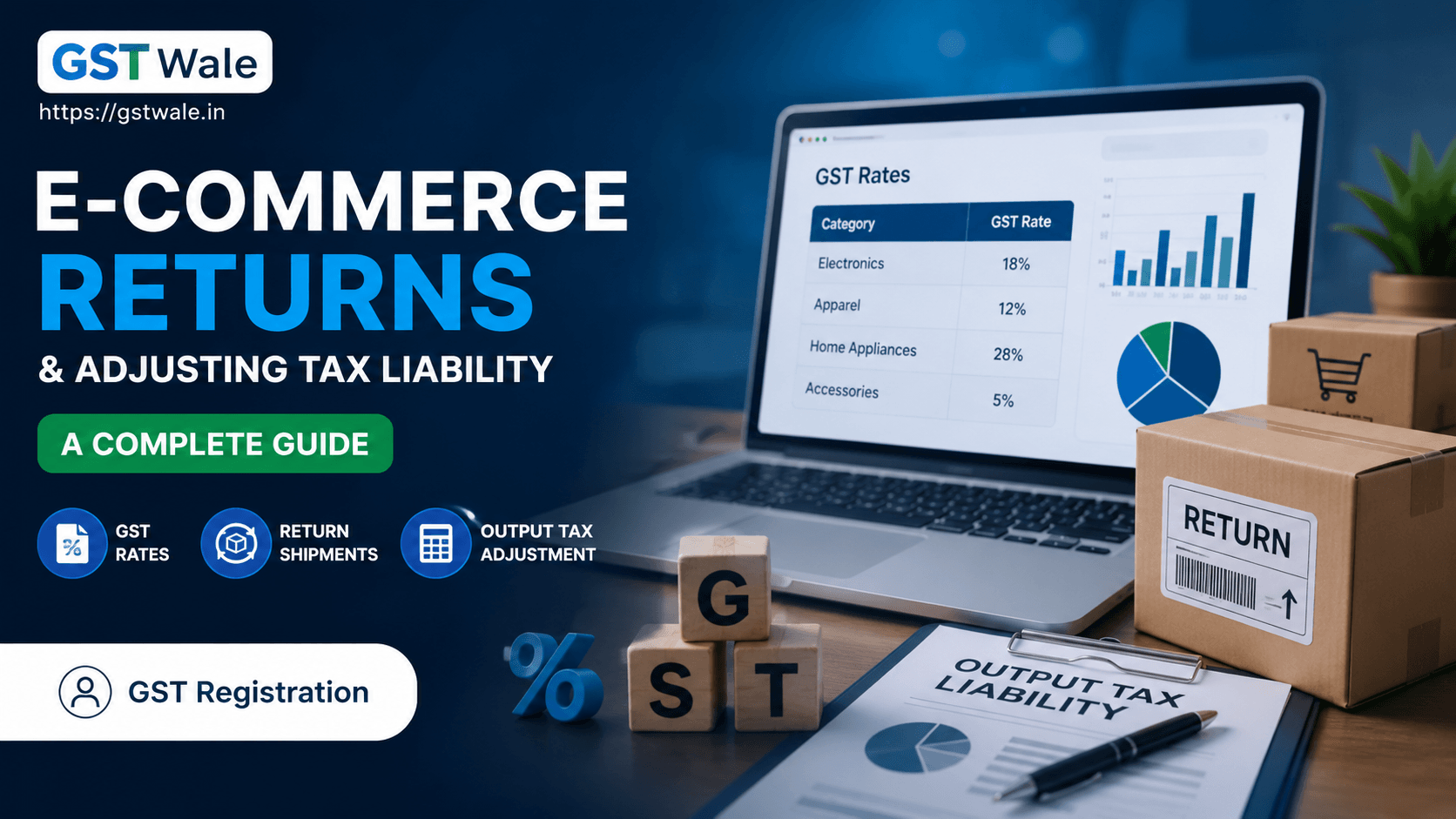
Managing e-commerce returns can often feel like a maze, especially when you are trying to keep your tax compliance perfectly aligned with the latest gst rates. As business owners, we all know that a high return rate is part of the game, but it shouldn't become a burden on your cash flow due to incorrect tax reporting. If you are struggling with the complexities of these adjustments, remember that expert guidance is just a click away; you can explore our GST Registration services to ensure your business foundation is rock solid.
When a customer returns a product, the transaction is essentially reversed. However, under the GST law, you cannot just delete the entry; you must follow a specific process to adjust your output tax liability. Keeping a close eye on the applicable gst rates for your specific products is crucial, as any mismatch here can lead to avoidable scrutiny from the tax department.
Understanding the Credit Note Mechanism
When goods are returned, you are legally required to issue a credit note. Think of this as the formal "correction" to the original tax invoice. Under the GST framework, a credit note serves two primary purposes: it acknowledges the return of goods and, more importantly, allows you to reduce your output tax liability that was originally declared in your GSTR-1.
It is a common misconception that a credit note can be issued at any time with no consequences. While commercial returns might happen months later, there are strict credit note issuance time limits you must respect if you want to claim the tax adjustment. Specifically, you must report the credit note in your GSTR-1 by November 30th following the end of the financial year in which the supply was made, or by the date of filing your annual return, whichever is earlier.
Navigating the GSTR-1 Adjustment Field
For e-commerce sellers, managing amazon seller return tax clearance or returns from any other marketplace requires precision. When filing your GSTR-1, you need to use the correct table to report these returns.
Registered Buyers: If you are dealing with a B2B transaction where the buyer is registered, report the credit note in Table 9B of GSTR-1. This ensures the reduction in your liability is accurately reflected and the buyer is prompted to reverse their Input Tax Credit (ITC).
Unregistered Buyers: For retail customers (B2C), these are generally reported in a consolidated manner.
Always cross-reference the tax amount on the credit note with the original invoice. If your gst new rate or the product category falls under a specific gst new slab, ensure that the reversal of tax is calculated using the same rate that was applied during the original sale. A common error is using a current, incorrect rate, which leads to a "mismatch" notice.
Practical Tips for E-Commerce Sellers
To avoid the common pitfalls in returning consumer goods credit, consider these three best practices:
Maintain Digital Records: Always keep the original invoice reference number linked to the credit note. Even if the portal allows de-linking, having this trail is essential for internal audits.
Monitor TCS Adjustments: Remember that marketplaces deduct 1% TCS on the net taxable value. When a return happens, the net value changes. Ensure your reconciliation process captures these fluctuations so you don’t overpay your tax liability.
Stay Updated on Rate Rationalization: With the government frequently updating the gst rates for various categories, always verify the current classification of your goods before generating credit notes.
Frequently Asked Questions
Q: Can I claim a tax refund if I issue a credit note after the statutory deadline?
A: No. While you can still issue a commercial credit note to refund the customer, you will not be able to adjust your output tax liability in the GST portal once the deadline (November 30th or the annual return filing date) has passed.
Q: Do I need to reverse the TCS collected by the marketplace?
A: The marketplace will typically adjust the TCS in their subsequent returns based on the returns processed. Ensure you reconcile your GSTR-2B with your books to confirm these adjustments are reflected correctly.
Q: What if the product was sold at one of the old gst rates but is now in a different slab?
A: You must always use the tax rate that was applicable at the time of the original supply. Using the gst new slab for an old transaction will create a tax variance that could trigger an automated notice.
Q: Is a credit note mandatory for every return?
A: Yes, for GST compliance and to legally reduce your output tax liability, a credit note is a mandatory document.
Managing your GST compliance doesn't have to be a headache. At GST Wale, we specialize in helping businesses streamline their tax processes. Whether you are dealing with complex return adjustments or need assistance with gst rates updates, our team of experts is here to handle the paperwork so you can focus on scaling your brand. Reach out to GST Wale today and let us take the tax burden off your shoulders!
 Previous